Mastering Stereo In-Ear Monitor (IEM) Mixes for Stadium Tours
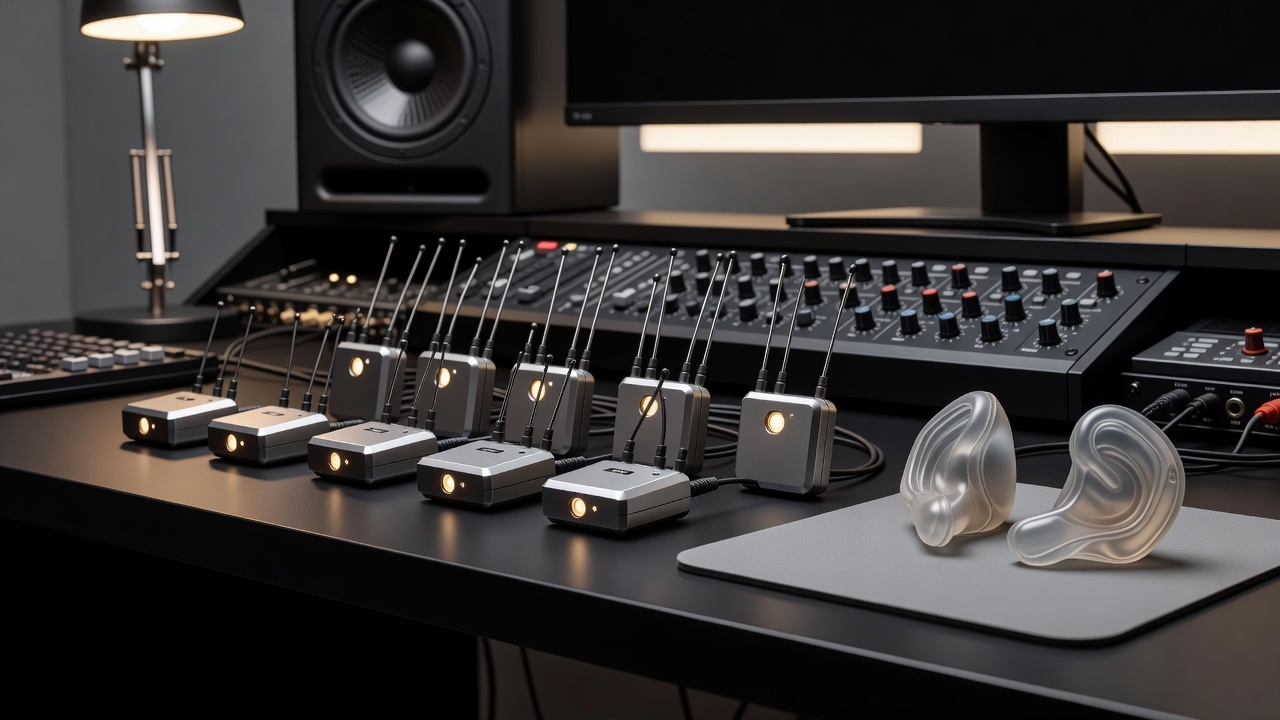
The Art and Science of Stage Monitoring
Mixing in-ear monitors is fundamentally different from mixing Front-of-House (FOH). In an isolated custom ear mold environment, singers and musicians lose natural head-related transfer functions (HRTF) and spatial room acoustic reflections. A poor IEM mix causes performance anxiety, pitch distortion, and severe ear fatigue.
1. 3D Spatial Panning & Separation
Never deliver a mono IEM mix to a lead vocalist or drummer. Pan guitars 40% Left / 40% Right, keys 60% Left / 60% Right, and keep Kick, Snare, Bass Guitar, and Lead Vocal Dead-Center. This creates a virtual acoustic pocket that lets the lead vocal sit distinctly without requiring excessive decibel volume.
2. Dynamic Ducking via Sidechain Compression
To keep the mix clean when the lead singer talks to the crowd or sings high notes, set up sidechain compression on ambient audience mics. When the lead vocal mic detects signal above -24 dBFS, automatically duck the ambient boundary mics by 6 dB to prevent acoustic comb filtering.
Peak Limiter Protection Rules
Protect your artist's hearing from unexpected microphone drops or digital sync pops:
- Brickwall Peak Limiter set to -2 dBFS output ceiling on all IEM Aux Busses
- Fast Attack (0.1 ms) and Moderate Release (50 ms)
- High-pass filter (HPF) engaged at 80 Hz for vocalists to eliminate stage floor rumble